
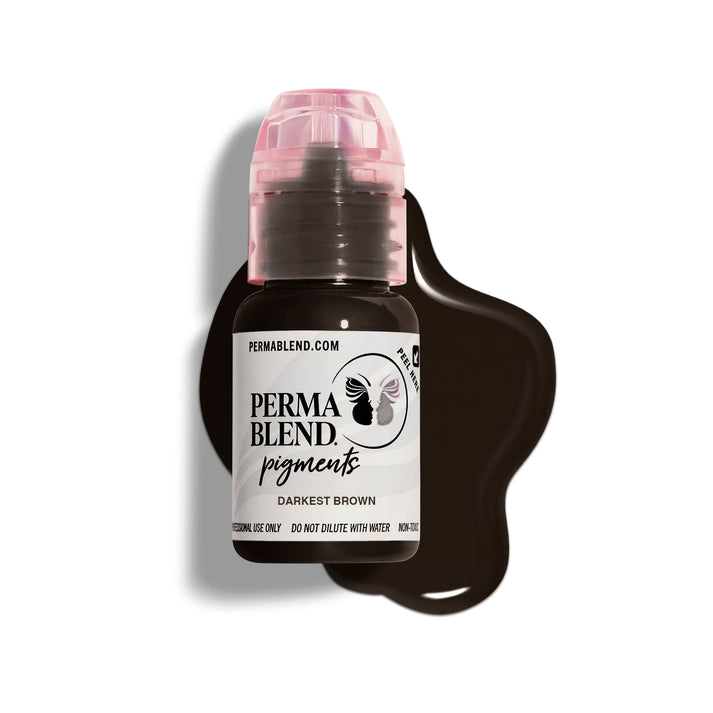



Using Permablend Darkest Brown pigment for permanent makeup can help you achieve natural, consistent results—when the pigment is prepared, blended, and applied with the right technique. In this guide, you’ll learn safe best practices, how to match undertones, how to control saturation, and how to plan for long-term longevity so your healed results look balanced and beautiful.
What Is Permablend Darkest Brown Pigment?
Permablend Darkest Brown pigment is formulated for use in permanent makeup applications where depth, definition, and realistic color are essential. “Darkest Brown” is typically selected when you want strong structure, crisp contrast, or a richer tone that can soften as the skin heals. However, “dark” doesn’t have to look harsh—consistent technique and proper dilution (when applicable to your system and training) are key to natural outcomes.
Because pigment color can shift slightly after healing, your goal is not only placing pigment effectively today, but also anticipating how it will settle over the next weeks. Careful color selection, correct needle approach, and thoughtful aftercare planning all influence the final look.
Before You Start: Safety, Consent, and Professional Readiness
Permanent makeup should always be performed by trained professionals following local regulations, manufacturer instructions, and established infection-control protocols. Even a high-quality pigment like Permablend Darkest Brown pigment requires correct handling and safe working practices.
- Client screening: Review skin conditions, medications, history of reactions, and allergy risks.
- Patch testing / sensitivity checks: Where appropriate and per policy, confirm compatibility.
- Informed consent: Discuss realistic expectations, maintenance intervals, and possible pigment shifts.
- Infection control: Sterile supplies, barrier protection, and strict single-use practices as required.
- Skin preparation: Ensure skin is clean, dry, and free of residues that can interfere with healing.
Safety isn’t optional—it’s foundational for achieving consistent results with Permablend Darkest Brown pigment.
Choosing the Right Brown Tone for Natural Results
“Brown” isn’t one shade. Skin undertones, hair color, and the client’s desired intensity all matter. Darkest Brown can be a strong anchor for defined brows, eyeliner effects, or deep contour mapping, but it must be tailored to the client.
Assess Undertone and Contrast
When you evaluate undertones, consider whether the client is more:
- Warm: gold/peach undertones may require careful management to avoid overly reddish-brown warmth.
- Cool: neutral-to-cool skin may call for balance to prevent the final result from looking too gray or too intense.
- Neutral: often more forgiving, but technique still controls saturation and soften-ability.
Plan for Healing Color Shifts
Pigments often appear stronger immediately after the procedure and soften as scabs flake and the skin regenerates. With Permablend Darkest Brown pigment, you should anticipate how the depth will read once healed and how it will blend with existing hair and brow structure.
A practical approach is to map the design carefully, then consider whether you need:
- Lower density placement in areas that must look airy
- Gradual transitions instead of uniform saturation
- Strategic depth in shadow zones only (like the tail or arch structure)
Preparing the Pigment and Setup
Consistent output begins before contact with the skin. Even the best pigment will not perform as intended if setup is inconsistent.
Follow Manufacturer Instructions
Use Permablend Darkest Brown pigment exactly as directed for your machine system and technique. If dilution is allowed within your training and the brand’s guidance, measure consistently. Small variations in mixture ratios can lead to uneven saturation and patchiness.
Set Up Your Workflow
- Label and organize: Keep pigment containers clearly marked.
- Reduce cross-contamination: Use barrier methods and clean handling.
- Confirm cartridge performance: Ensure needles and cartridges are appropriate and functioning correctly.
Design and Mapping: Where Consistency Starts
Natural results depend heavily on design. When you start with a strong map, you’ll use Permablend Darkest Brown pigment more intentionally, which reduces overworking the skin.
Use Proportions That Match the Face
For brows, eyeliner, or other applications, focus on proportion and symmetry. Use a measurement process (where applicable) to outline the head, arch, and tail (or the desired stroke zones). Your pigment placement should follow the design rather than attempting to “fix” shape during saturation passes.
Choose a Technique-Appropriate Strategy
Whether you’re creating hair-like strokes, a soft powder effect, or defined liner shading, your approach determines how to apply depth. Darkest Brown can be used for crisp definition, but you’ll still want a gradient—most clients look best when the intensity is highest where the design requires structure, and softer where it should blend.
Application Tips for Natural, Consistent Results
Below are practical technique considerations that help you get predictable healed outcomes with Permablend Darkest Brown pigment. Exact parameters (needle grouping, voltage, depth, speed) should be chosen based on your training, machine specifications, and client skin type.
Control Saturation with Layering
One of the most common causes of uneven results is excessive passes in a single area. Instead, consider a disciplined layering strategy:
- Start with lighter, controlled passes.
- Evaluate the pigment deposit as you go.
- If additional work is needed, build gradually rather than repeatedly pounding the same zone.
With Permablend Darkest Brown pigment, controlled layering helps keep results from looking overly bold immediately after and too dense during healing.
Work in Small Sections
Small sections improve both precision and consistency. If you treat the whole area at once, you increase the chance of overworking certain sections and underworking others. Break the design into head, mid, and tail zones (or line segments) so your saturation matches your map.
Use Consistent Stroke Direction and Pressure
Natural outcomes often come from controlled repeatability. If you’re using a hair-stroke style, keep stroke direction consistent with the client’s natural growth and map. If you’re shading, maintain consistent dwell and movement so pigment spreads evenly.
Uneven pressure can cause patchiness or unintended halos. Aim for the same technique rhythm across the entire session.
Account for Skin Type and Oiliness
Different skin types hold pigment differently. Oily or thicker skin may require adjusted work intensity, while dry or sensitive skin may react more aggressively. Regardless of skin type, avoid chasing saturation—overworking can damage the skin barrier and affect the final healed color.
Common Mistakes When Using Darkest Brown Pigment
Even experienced artists can run into predictable challenges when using a deeper shade like Permablend Darkest Brown pigment. Here are common pitfalls and how to reduce them.
Mistake 1: Overworking After the First Pass
Overworking can increase swelling and disrupt even healing. If pigment looks strong immediately after application, resist the urge to repeatedly correct it on the spot. Let the first layer settle and follow a measured approach to refinement.
Mistake 2: Ignoring Undertones
If you choose the shade without considering undertones, the healed result may skew warm, cool, or unexpectedly muted. Always map your color strategy to the client’s features.
Mistake 3: Uniform Saturation Throughout
Natural looks usually require gradients. Brows, in particular, rarely look best when the same intensity exists from start to finish. With Permablend Darkest Brown pigment, vary density intentionally.
Mistake 4: Not Planning for Aftercare
Aftercare influences healing and pigment retention. If clients don’t follow guidance, the pigment may fade unevenly. Strong pigment placement paired with clear aftercare instructions leads to more consistent outcomes.
Aftercare Guidance to Protect Longevity and Color
The pigment you place with Permablend Darkest Brown pigment is only as stable as the healing process. Provide your client with clear, easy-to-follow aftercare steps and what to avoid.
Typical Aftercare Principles
- Keep the area clean and follow your recommended cleansing method.
- Don’t pick or scrub healing skin or scabs.
- Avoid heavy sweating and soaking (as directed) during early healing.
- Protect from sun exposure and follow guidance on SPF when healed.
- Avoid makeup and irritants until permitted in your protocol.
Consistency in aftercare helps preserve the tone and ensures the healed brow or liner looks as designed.
How to Evaluate Healing and Decide on Touch-Ups
Touch-ups are part of the process, but they should be planned based on the client’s actual healing—not on how the area looks right after the session.
Wait for Full Settling
After application, pigment can look darker or brighter. Over the following days and weeks, the color stabilizes. A common error is scheduling correction too early. Evaluate the healed result before adjusting shade, density, or symmetry.
Assess Color and Coverage Independently
For a shade like Permablend Darkest Brown pigment, review whether the result needs:
- More structure (definition)
- Softening (rebalancing saturation)
- Color correction (if the undertone shifted
Where Permablend Darkest Brown Pigment Fits Best
While many clients can benefit from a deep brown tone, it may be especially useful for:
- Bold, defined brows that still read natural after healing
- Shadow-based techniques where depth is needed without fully “black” outcomes
- Clients with darker hair who want low-maintenance, realistic structure
And because healing typically softens intensity, using Permablend Darkest Brown pigment can be a smart way to deliver strong structure while still aiming for refined aesthetics.
Product Spotlight: Permablend Darkest Brown Pigment
If you’re adding this shade to your permanent makeup supplies, you can find Permablend Darkest Brown pigment here: Permablend Darkest Brown Pigment for Permanent makeup.
When purchasing pigments, store them properly according to manufacturer guidance and keep track of batch handling. Consistent product care contributes to predictable performance session after session.
Quick Checklist for Consistent Results
Use this checklist to stay on track when working with Permablend Darkest Brown pigment:
- Confirm suitability: Client undertone, desired intensity, and expected healing shift.
- Map carefully: Follow proportions and design before pigment placement.
- Prepare properly: Use correct setup and consistent mixing (if applicable).
- Work in sections: Maintain even saturation and avoid overworking.
- Layer thoughtfully: Build gradually rather than repeatedly hammering one zone.
- Support healing: Provide clear aftercare and longevity advice.
- Evaluate healed results: Decide on touch-ups only after full settling.
Frequently Asked Questions
How dark will Permablend Darkest Brown look after healing?
It often looks darker immediately after application and then softens during healing. The exact end result varies by skin type, placement depth, technique, and aftercare. Mapping and controlled layering help ensure the healed result stays natural.
Is Permablend Darkest Brown pigment suitable for all clients?
It can be appropriate for many clients, but shade selection depends on undertone, hair color, and the client’s desired contrast. Consider balancing intensity and using density gradients to avoid an overly heavy look.
What’s the best way to avoid patchiness?
Patchiness usually comes from uneven technique, inconsistent saturation, or overworking certain areas. Keep your stroke direction and pressure consistent, work in sections, and limit repeated passes on the same spot.
How soon can a client resume normal activities?
Aftercare timing varies by protocol and the specific procedure type. Provide clear guidance tailored to your method and the manufacturer’s recommendations, and emphasize avoiding soaking, heavy sweating, and sun exposure during early healing.
Final Thoughts: Natural Beauty Starts With Technique
Permablend Darkest Brown pigment can be a powerful choice for permanent makeup when you approach the process with safety, careful mapping, and disciplined application. The most natural results come from a balance of correct pigment selection, controlled saturation, and aftercare support that protects healing. If you consistently apply these fundamentals, you’ll be able to deliver results that look realistic, balanced, and beautifully refined—long after the session is over.